
The Fabric That Touches You Most: Why Detergent Choice Matters for Every Body
We talk about skincare.
We talk about clean eating.
We talk about supplements, hormones, gut health, and inflammation.
But we rarely talk about what sits against the most delicate skin on our bodies all day long.
Your underwear.
Whether it is lace lingerie or men’s boxer briefs, these fabrics rest against highly sensitive tissue for 8 to 14 hours daily. If irritation is happening, one of the first places to look is not your hormones or microbiome.
It is your detergent.
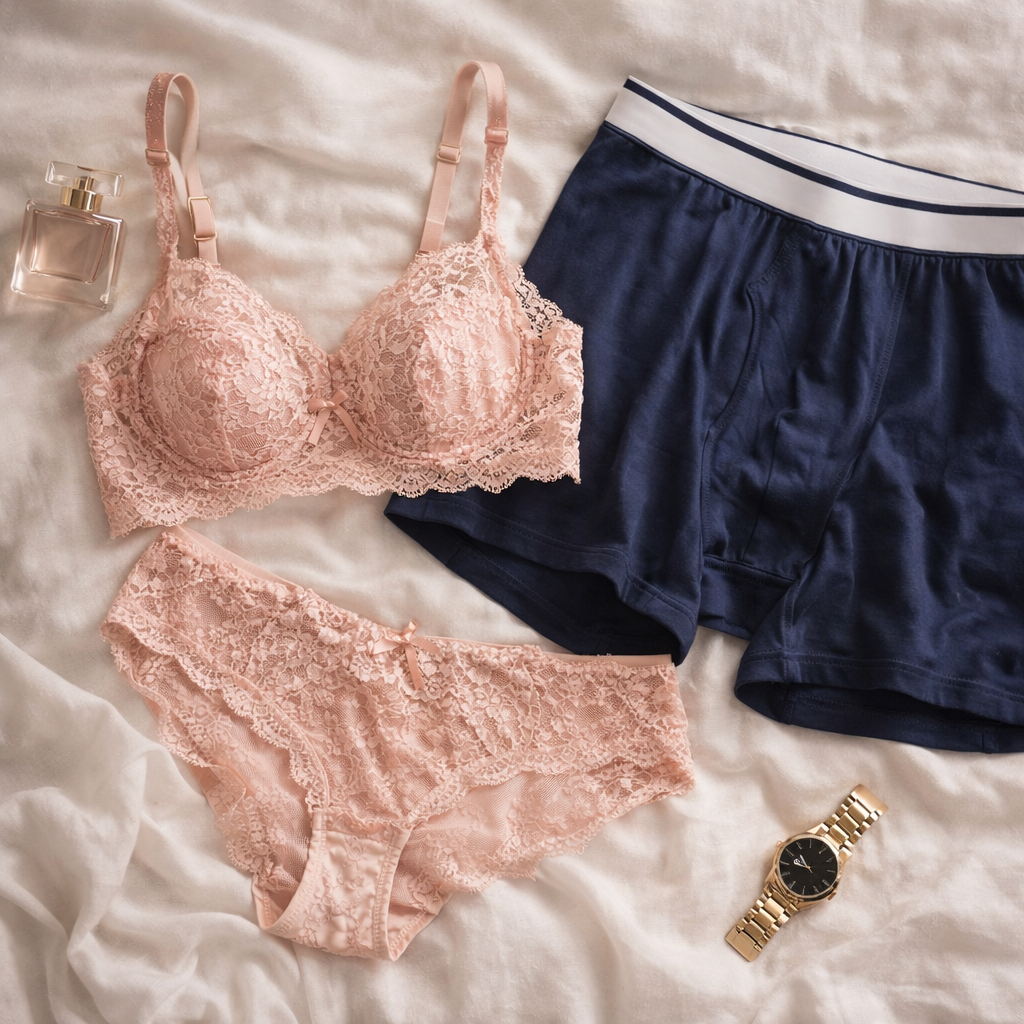
Why This Matters for All Women and Men
This conversation is not just for one age group.
It applies to:
Young women
Men of all ages
Oncology patients
Menopausal women
Postpartum women
Athletes
Anyone with sensitive skin
The genital and perineal region has thinner, more permeable skin than most other areas of the body. It absorbs residues more easily and reacts more quickly.
Even if you have never had issues before, life transitions can change how your body responds.
Oncology Patients: A Special Consideration
Cancer treatment changes the skin.
Chemotherapy, radiation, immunotherapy, and endocrine therapy can:
Thin the skin
Disrupt the microbiome
Reduce natural moisture
Increase sensitivity
Alter immune response
Many oncology patients develop vulvar, penile, or perineal irritation during or after treatment. Often, we look at medications first. But residual fragrance, dye, and chemical surfactants in underwear can significantly worsen discomfort.
For patients already navigating inflammation and healing, removing unnecessary irritants is a simple but powerful step.
Menopausal Women: Hormones and Skin Integrity
During perimenopause and menopause, declining estrogen leads to:
Thinner vaginal and vulvar tissue
Reduced lubrication
Increased dryness
Greater susceptibility to irritation
What never bothered you before may suddenly feel uncomfortable.
Fragranced detergents and chemically treated panty liners can exacerbate burning, itching, and dermatitis. Switching to fragrance free, dye free, hypoallergenic detergents can dramatically improve symptoms.
Organic cotton panty liners are also important. Conventional liners often contain bleached materials, synthetic fragrance, plastic backing, and chemical adhesives. For menopausal tissue, breathability and purity matter.
And Yes, This Includes Men
Men experience:
Jock itch
Dermatitis
Chronic groin irritation
Increased sweating from athletic wear
Sensitivity after medical treatments
Synthetic fragrances and detergent residues in boxer briefs can aggravate already warm, moisture prone areas.
Men going through cancer treatment, hormone therapy, or intense athletic training may notice increased skin sensitivity. The solution is often surprisingly simple.
Change the detergent.
What to Look For
Choose a detergent that is:
Fragrance free
Dye free
Hypoallergenic
Labeled “free and clear”
Avoid products with added scent, even if labeled natural. Run an extra rinse cycle for undergarments. Wash lingerie and underwear separately when possible.
For daily liners or pads, choose:
Organic cotton
Chlorine free
Fragrance free
Breathable backing
Small adjustments create measurable comfort.
The Bigger Picture
When patients present with persistent irritation, itching, or recurrent imbalance, we often move quickly toward medications.
But sometimes the first intervention should be subtraction, not addition.
Remove the irritant.
Support the barrier.
Respect the tissue.
Whether you are an oncology patient healing, a menopausal woman navigating hormonal shifts, a young adult, or a man dealing with unexplained irritation, your intimate skin deserves intentional care.
The fabric that touches you most should support healing, not undermine it.
With care, Tina Saab, RN, BSN