What No One Tells You Before Your First Radiation Treatment
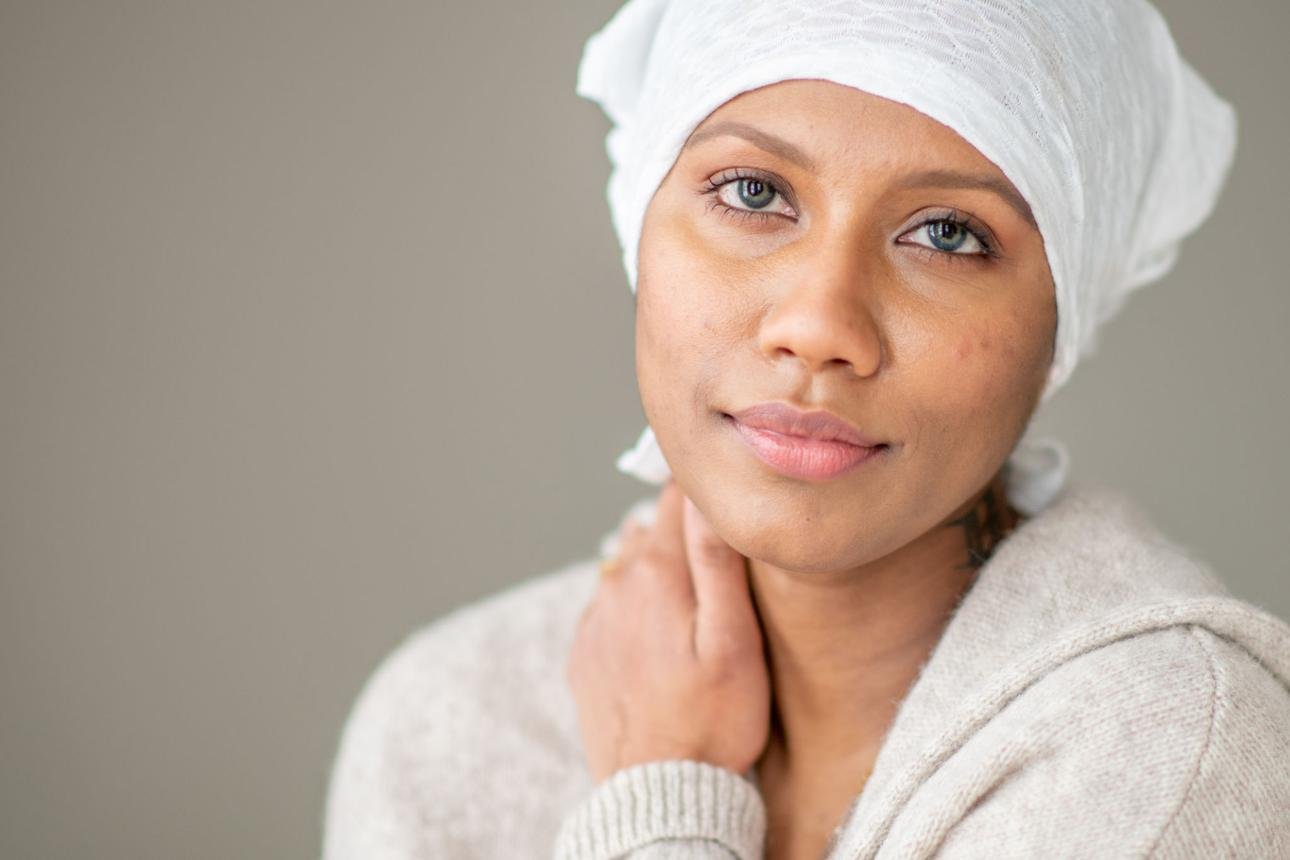
What No One Tells You Before Your First Radiation Treatment
There is a moment before your first radiation treatment that no one really prepares you for.
For me, it was the most terrifying part of my entire cancer journey.
With chemotherapy, I understood what it could do to my body. I had an idea of what to expect.
Radiation felt different.
It was completely unknown.
And sometimes, the unknown is what creates the most fear.
I remember walking into the treatment area and immediately feeling it.
The weight of it.
The seriousness of it.
I started crying.
A nurse came and gently walked me back to a changing area. She told me to remove my clothes, handed me a gown, and gave me a key for a locker. She showed me exactly how to put the gown on.
Simple instructions.
Very routine for them.
But for me, nothing about it felt routine.
I walked out into a large waiting area in my gown.
And that is when it really hit me.
There were women everywhere.
Different ages.
Different backgrounds.
Different walks of life.
All sitting there quietly, waiting for their turn.
Cancer does not care who you are.
It does not care where you come from.
It does not care what you have or do not have.
In that room, we were all the same.
Waiting.
A woman called my name and walked me back. She introduced me to my radiation team and told me I would be seeing them every day. This would be my team for the duration of my treatment.
There was something comforting about that.
Familiar faces in an unfamiliar place.
I walked into the treatment room and saw the machine.
It was large. Surrounding the table. Almost overwhelming at first glance.
I was told to remove my gown and lie down.
From there, everything became incredibly precise.
They measured and remeasured my body.
Adjusted my position.
Realigned the small tattoo markings that had been placed on my chest the week before.
I remember seeing a light, like a cross, projected onto my body.
Not just my breast.
Across my chest.
My abdomen.
Above my clavicle.
Around my side and toward my back.
Everything was intentional.
Everything was exact.
My arm was placed above my head and held in position.
It was uncomfortable.
And I was told not to move.
They adjusted me again.
And again.
Until everything aligned perfectly.
Then came the breath holds.
They told me I would need to take a deep breath in and hold it. They were measuring how long I could safely hold my breath.
We practiced multiple times.
Inhale. Hold.
Exhale. Reset.
Inhale again. Hold.
They needed to know I could do it.
At the time, it felt like pressure.
Now I understand it was protection.
That breath hold is used to gently move the heart away from the radiation field, reducing exposure and protecting one of the most vital organs in the body.
It is not random.
It is intentional.
And then, they left the room.
That moment stays with you.
Lying there.
Alone.
On a table.
In a room with a machine you are still trying to understand.
But what you do not always realize in that moment is this:
You are never truly alone.
They are watching you the entire time.
Every movement.
Every breath.
The machine began to move.
It was loud.
Not painful.
But loud enough to remind you that something significant is happening.
I remember being told when to hold my breath.
When to release.
When to inhale again.
There were moments I felt like I was suffocating myself because I was so afraid to release my breath too early.
So I held it longer than I needed to.
Out of fear.
Out of uncertainty.
Out of not wanting to do anything wrong.
Some treatments were longer.
Some were shorter.
But that first day stayed with me.
I walked back into the dressing room, got dressed, opened the door, and stepped back into that same hallway.
Women still sitting there.
Waiting.
Some looking just as scared as I felt.
I remember making eye contact.
Smiling softly.
Acknowledging them without words.
Because in that moment, you understand each other.
I did that five days a week.
Monday through Friday.
For five weeks.
And my body was exhausted.
A level of fatigue that is difficult to explain unless you have lived it.
I slept more than I ever had before.
My body was working constantly, even when I was not.
And still, years later, I remember every detail.
Because experiences like that do not leave you.
They shape you.
What I Want You to Know
If you are about to start radiation, I want you to know that,
It is okay to feel scared.
It is okay to not understand everything.
It is okay if the first day feels overwhelming.
You are not doing anything wrong.
The machine will not hurt you.
The treatment itself is painless.
The team around you is precise, trained, and focused on protecting you.
And that breath you are holding?
It is not just something they are asking you to do.
It is part of how they are taking care of you.
Over time, it gets easier.
Not because it becomes easy.
But because it becomes familiar.
And familiarity softens fear.
If You Need Support
If you are preparing for radiation and want someone to walk you through exactly what to expect, physically and emotionally, I provide guidance rooted in both clinical experience and lived understanding.
I guide you in detail on how to protect your skin throughout treatment, with a thoughtful, step-by-step approach designed to reduce irritation, preserve the skin barrier, and support optimal healing.
You do not have to walk into this feeling unprepared.
You were never meant to navigate this alone.
— Tina Saab, RN, BSN
If someone you love is coming home after surgery, hospitalization, treatment, or a complex medical event, Concierge Elite Nursing can help you prepare, understand the plan, and feel more supported.
Book Your Free Call
Medical Note
This article is educational and does not replace medical care, diagnosis, treatment, or emergency services. Always follow discharge instructions from the treating medical team. For urgent symptoms, call the physician, surgeon, 911, or go to the nearest emergency department.